The Dickensians
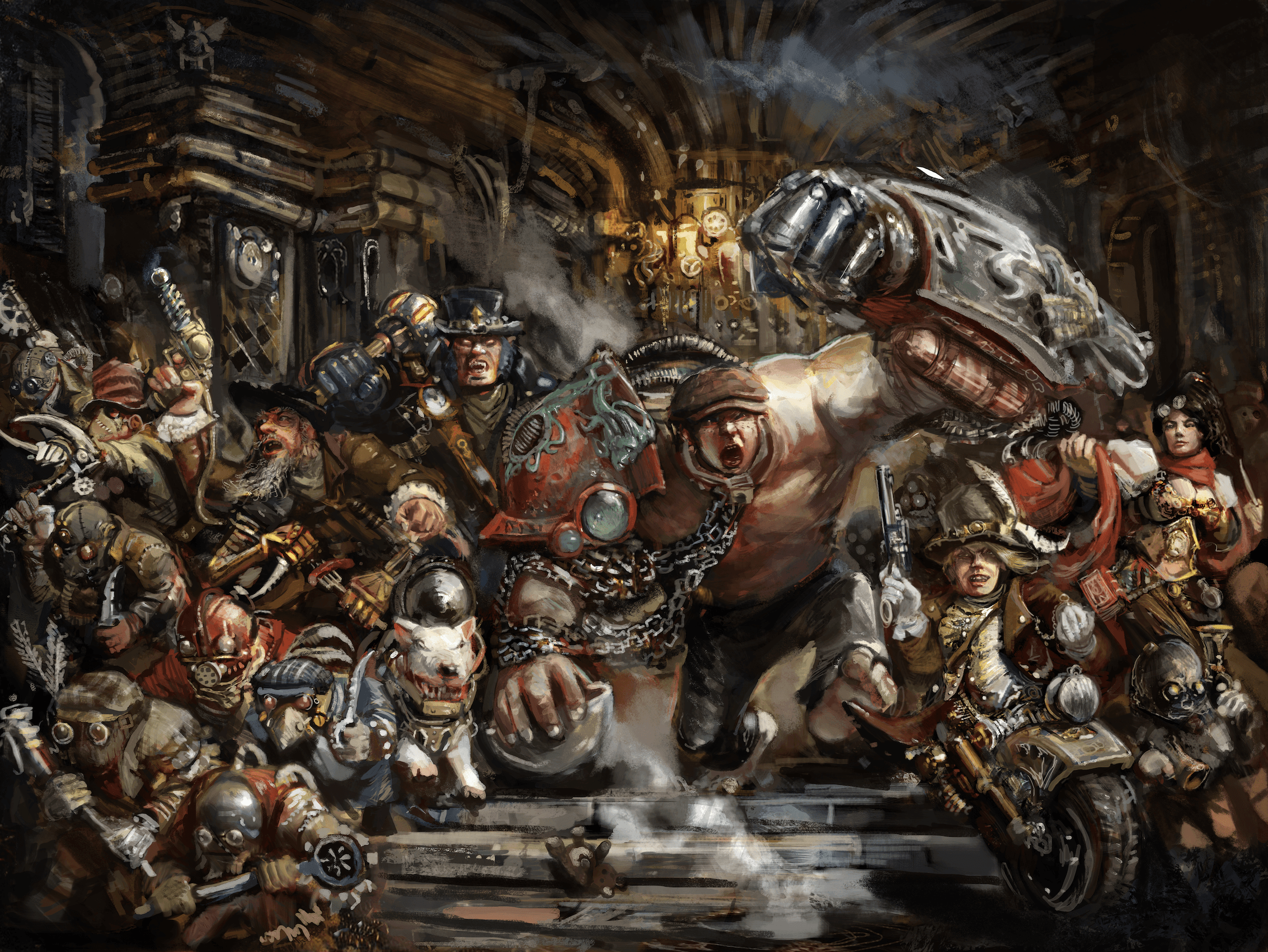
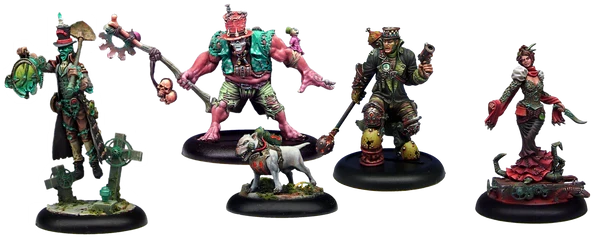
The Dickensians believe the city belongs to them.
Born in the shadow of London’s industry and fed by its desperation, the Dickensians are a criminal organization built on fear, loyalty, and force. They do not protect the weak — they own them. Through intimidation, violence, and carefully cultivated reputation, they impose their version of order on the streets they control.
Where law falters, the Dickensians step in.
Not to help — but to collect.
Bill Psyches
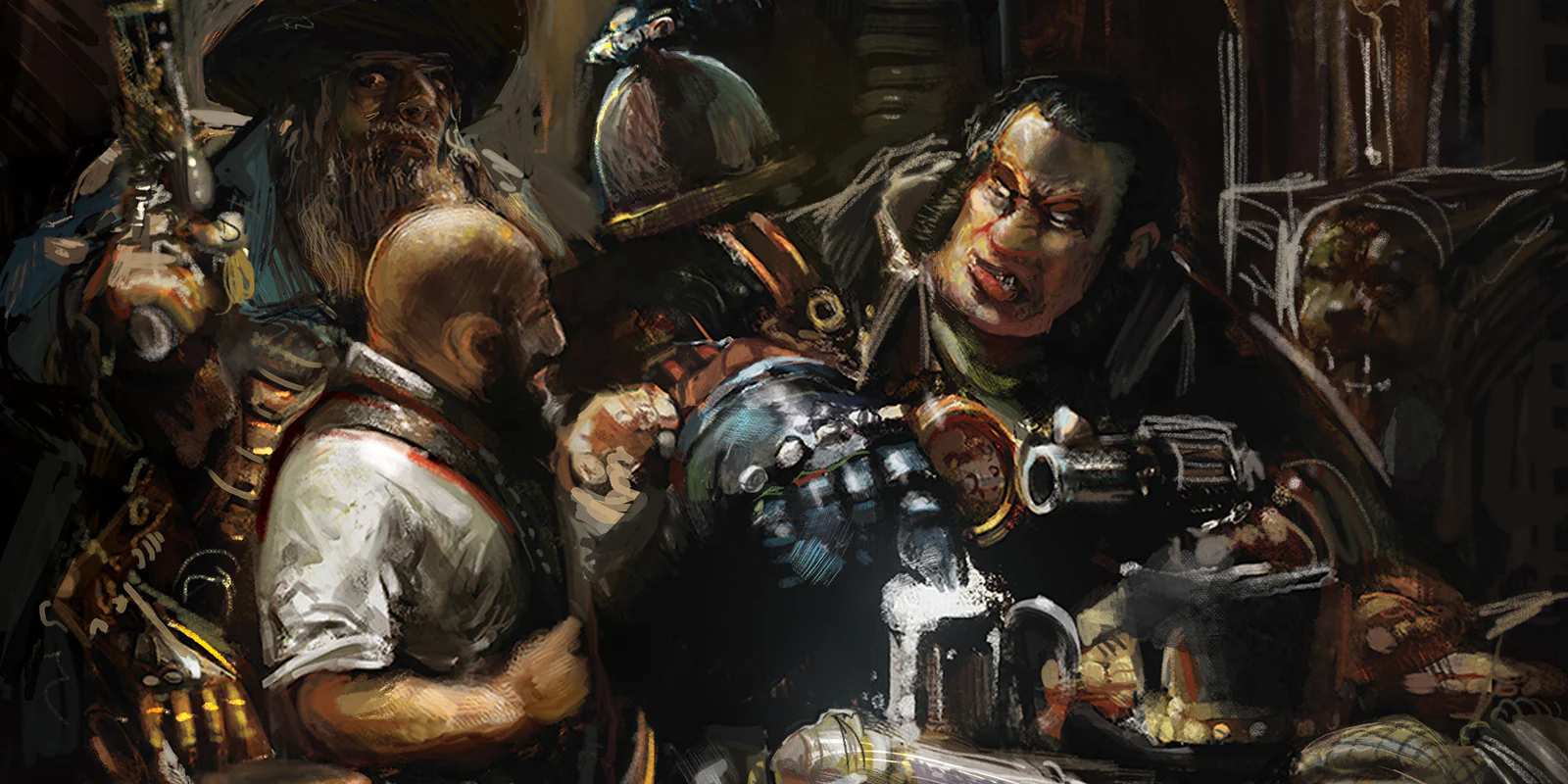
At the center of the Dickensians stands Bill Psyches.
He is not a visionary, nor a savior, nor a reluctant leader. Bill Psyches is a bully who discovered that cruelty scales. Through brute force, manipulation, and an instinctive understanding of fear, he has shaped the Dickensians into an extension of his will.
Psyches does not rule through loyalty earned — he rules through loyalty enforced. Those beneath him obey because they must. Those beside him remain because leaving is worse.
Order Through Fear
The Dickensians thrive on control. They extract protection payments, crush rivals, and make public examples of those who resist. Their presence is unmistakable: appearance, symbols, and ritualized violence designed to remind the city who is watching.
They speak of order, but what they mean is submission.
They speak of stability, but what they enforce is dependence.
In a world increasingly shaped by The Engine’s influence, the Dickensians represent a familiar truth: power does not need magic to be monstrous.
The Fracture Within
Not all who serve the Dickensians share Bill Psyches’ vision.
Within the organization exists a growing fracture — one driven by Feygin, whose ambitions run counter to Psyches’ hunger for control. Where Psyches sees the Urkin as tools to be shaped and exploited, Feygin sees a mistake that must be corrected.
Feygin seeks to undo what has been done — to strip the Urkin of their altered nature and return them to what they once were: children of the streets, not engineered instruments of fear. To him, the Urkin represent a failure of restraint, a line crossed too far.
This conflict festers in secret. Psyches tolerates Feygin only because his usefulness outweighs the danger — for now. But as the Dickensians grow in power, the question becomes inevitable:
Will the faction be ruled by control…or by conscience…or is it too late to matter?
Nancy
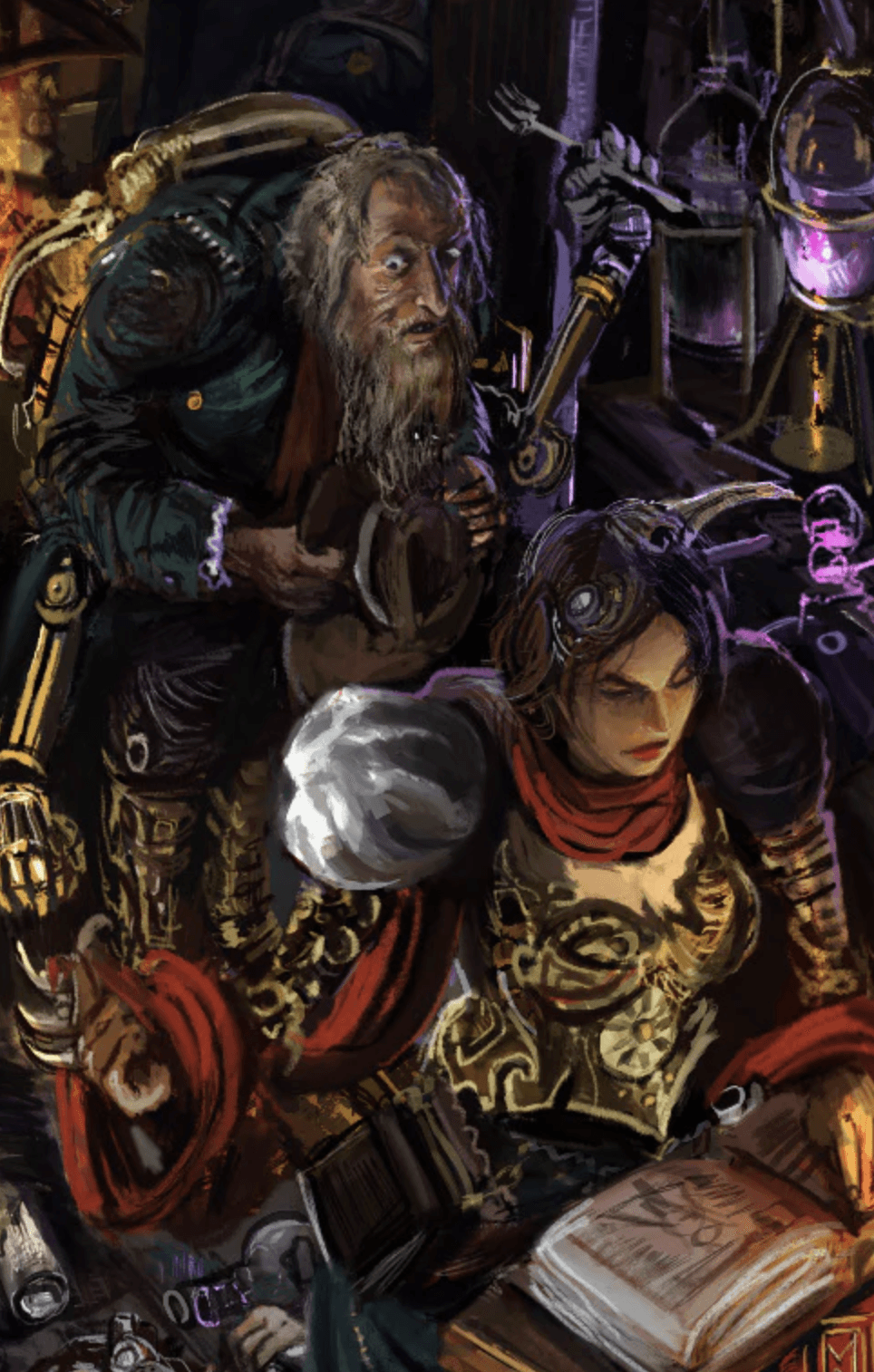
Nancy does not seek leadership — she seeks control.
Once capable of kindness, she has shed it without hesitation in pursuit of something greater. Nancy is consumed by the darker disciplines of Alchemancy and her fixation on the Node, which she believes can be bent, coerced, and ultimately mastered. Where others may fear The Engine, Nancy sees a challenge — one she is convinced she can overcome.
Her work fuels the Dickensians’ most grotesque excesses. The creation of the Urkin was not an accident, nor a necessary evil, but a calculated step toward power. Through experimentation, coercion, and exploitation of the forgotten, Nancy has transformed suffering into a resource — building an army to serve Bill Psyches while furthering her own ambitions.
Nancy believes she is using the Dickensians.
She believes she is using The Engine.
Whether she is correct — or merely another instrument shaped by forces she does not truly understand — remains to be seen.
The Urkin
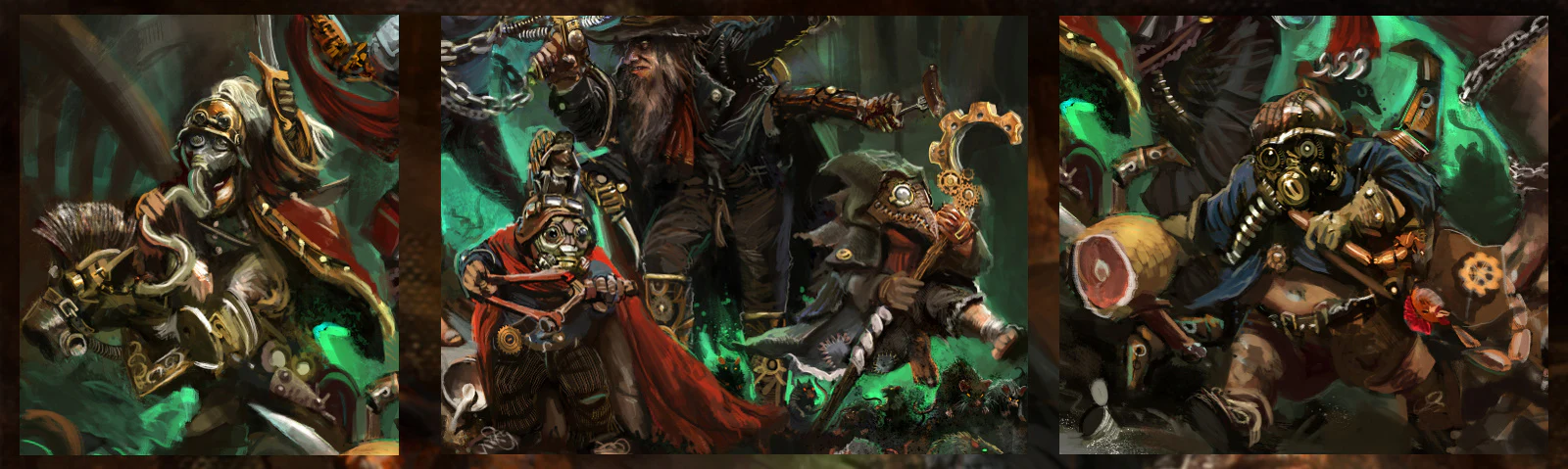
The Urkin are no longer children, nor truly human.
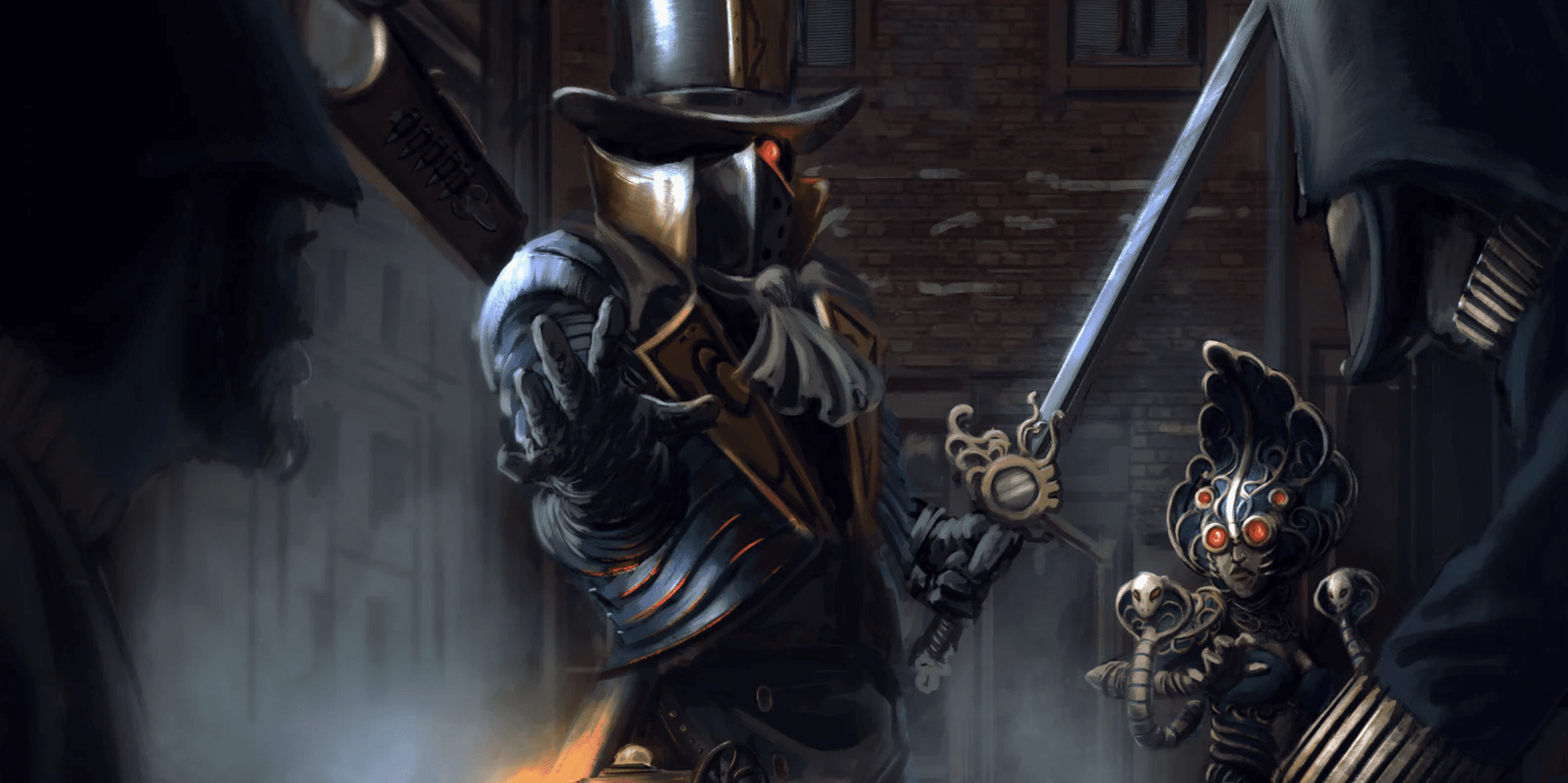
Once the street thieves of Feygin’s pickpocket gangs, they have been reshaped by Nancy’s experiments and prolonged exposure to the raw influence of The Engine’s Node beneath London. What emerges are creatures driven by impulse, aggression, and an unnerving appetite for violence. Thought and restraint have been burned away, replaced by instinct and cruelty.
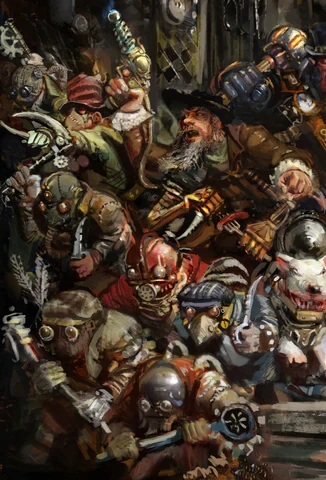
Urkin do not plan.
They erupt.They swarm, strike, and tear through opposition with feral enthusiasm, finding joy in panic, bloodshed, and the collapse of order. Pain barely registers. Fear excites them. Where they go, control dissolves into chaos.
Nearly all Urkin conceal their faces behind crude masks and multi-lensed hoods — not to hide what they have become, but to distort how the world sees them. Whether these lenses are crude attempts at restraint, sensory augmentation, or simply another expression of their madness remains unclear.
What is clear is this: the Urkin are not tools that can be safely wielded. They are the proof of what happens when the Engine is forced — and when power is taken without understanding the cost.
Tools of the Trade
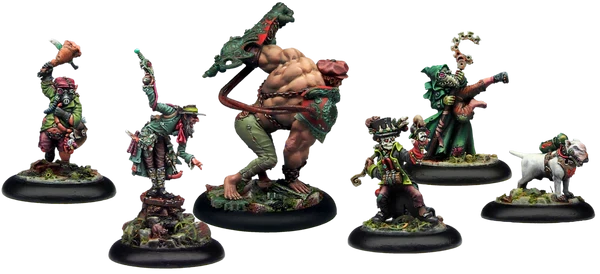
The Dickensians favor intimidation, close coordination, and overwhelming force. They move as gangs, enforcers, and heavies — individuals trained to break resistance quickly and decisively. Subtlety is unnecessary when reputation does the work for you.
They are not refined.
They are effective.
Playing the Dickensians
On the tabletop, the Dickensians excel at board control, coordinated aggression, and punishing opposition that overextends. They reward players who press their advantage, dominate territory, and force their enemies into submission.
They are strongest when the fight is brutal and close — exactly where Bill Psyches wants it.


An independent tabletop game studio creating immersive experiences set in the Victorian steampunk world of Twisted.
THE GAME
What is Twisted?
Getting Started
Gameplay Videos
Rules
THE WORLD
Dickensians
Guild of Harmony
Scions of the Sand
Servants of the Engine
THE MINIATURES
About our Miniatures
Painting Guide I
Painting Guide II
info@dementedgames.com
Chat with us